Process
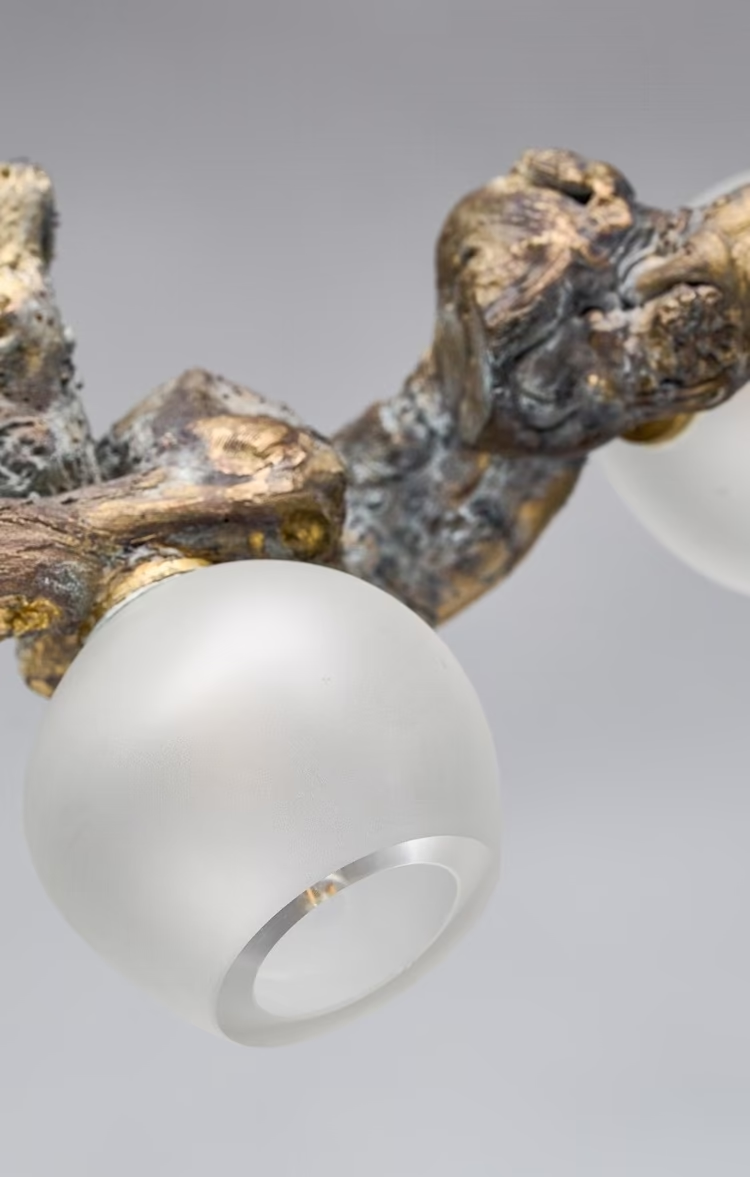
From vision to light sculpture
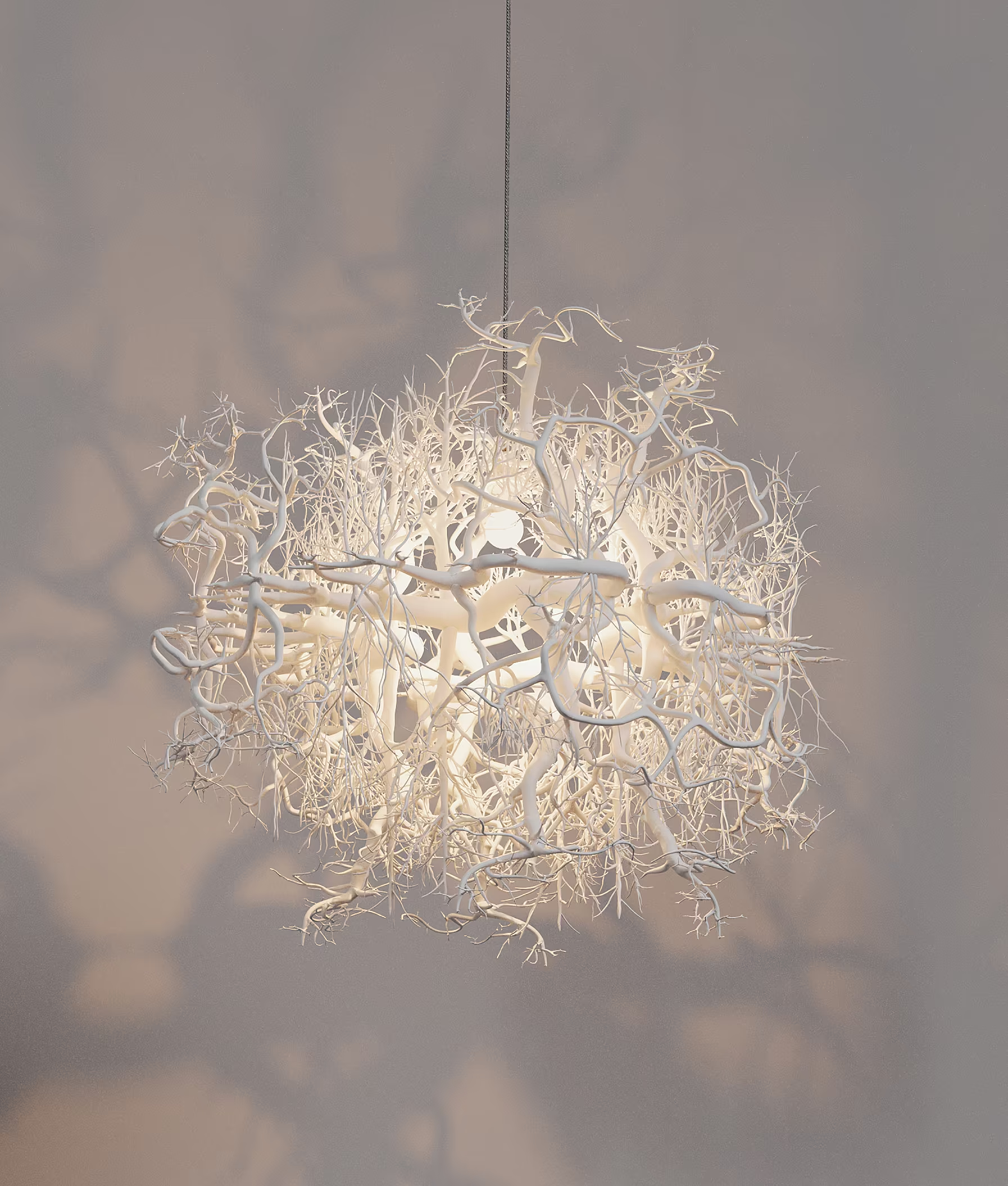
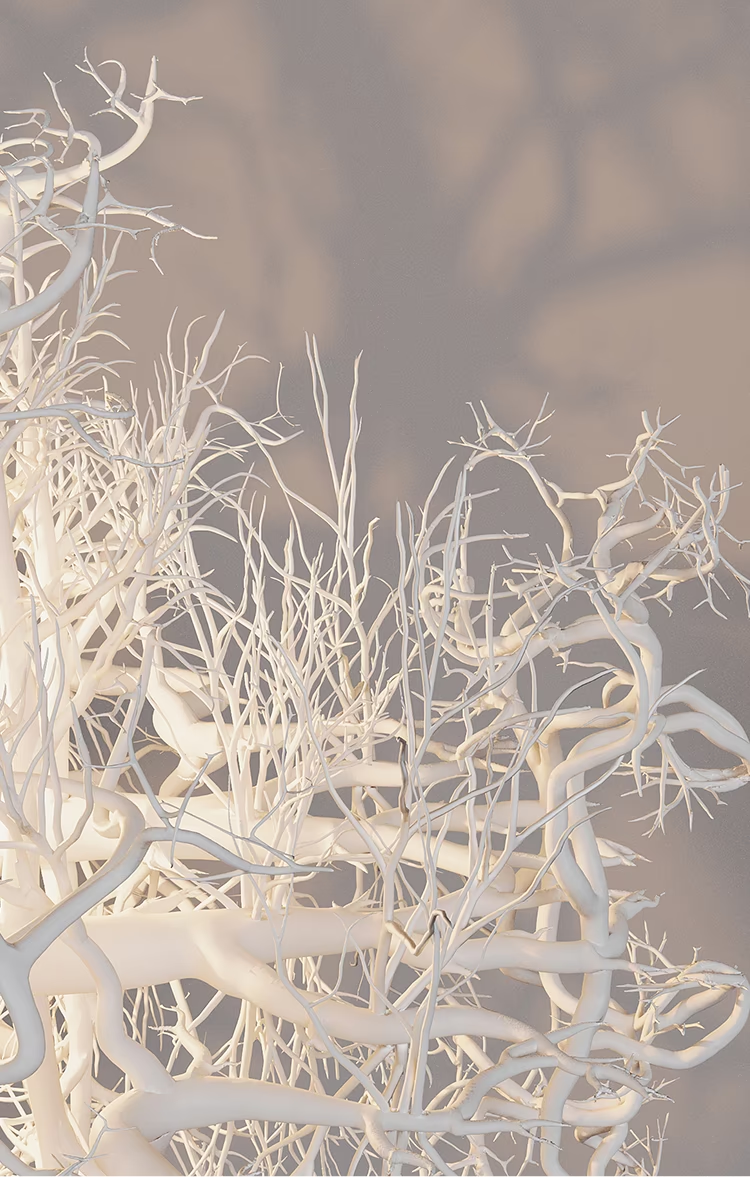
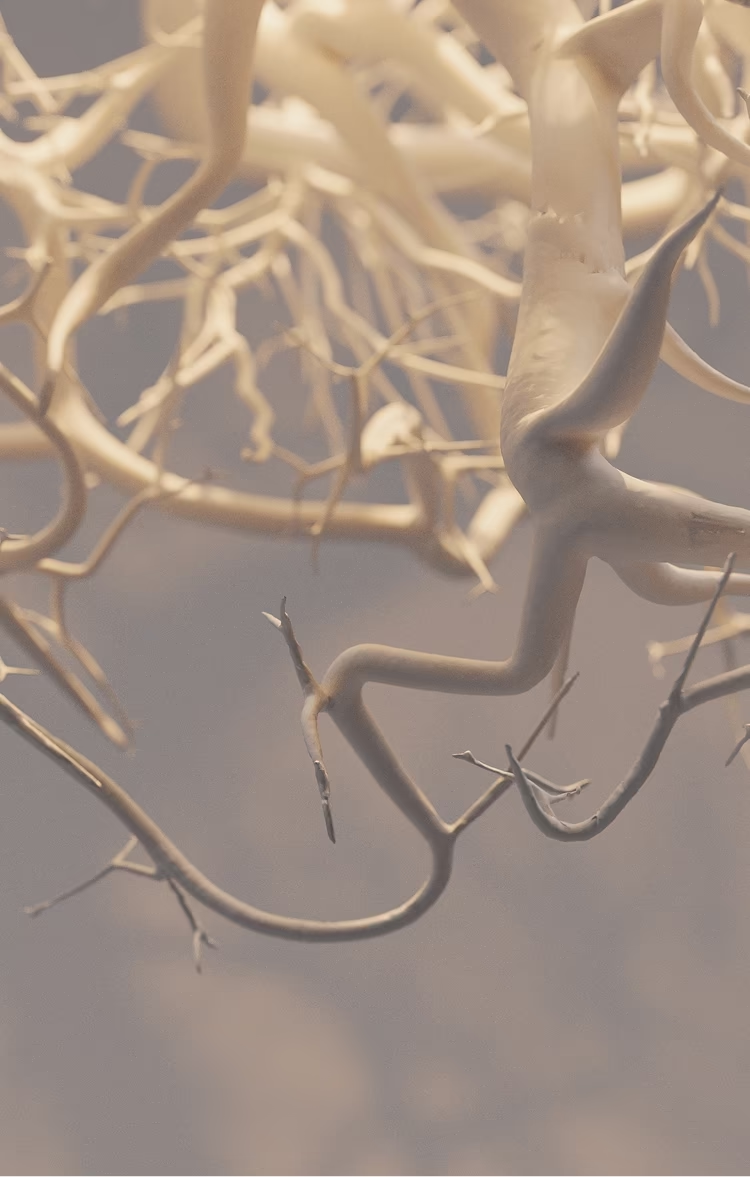
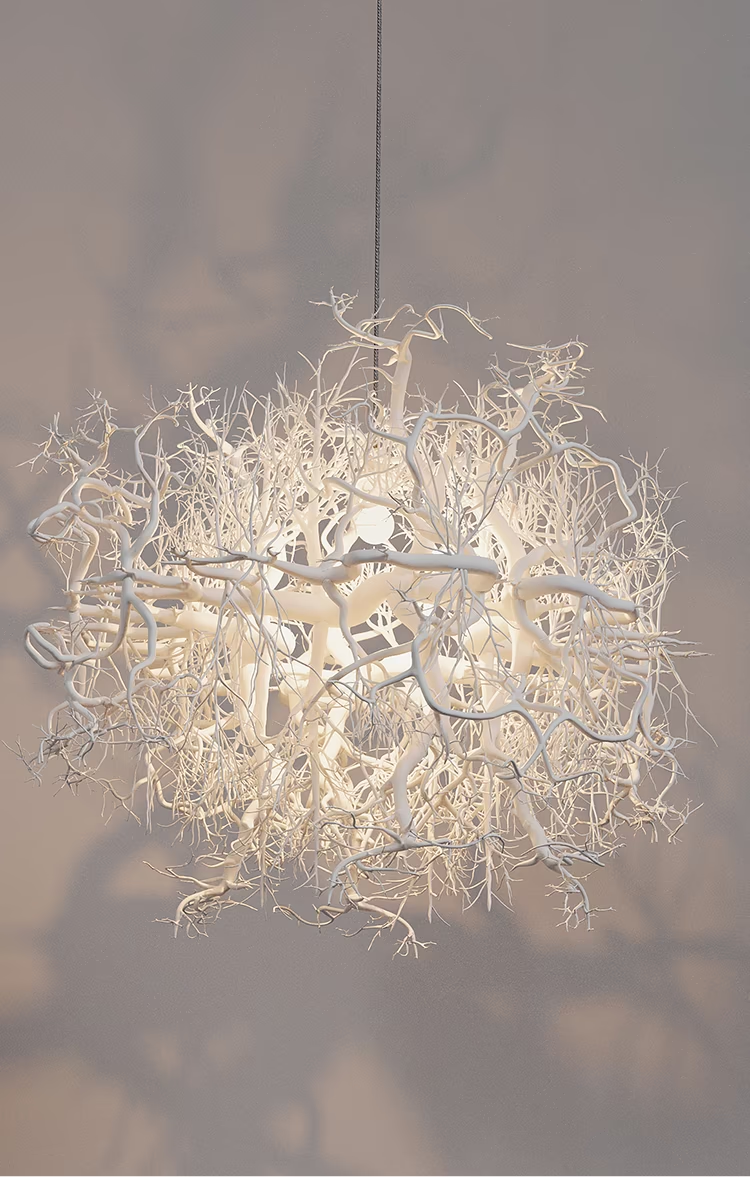
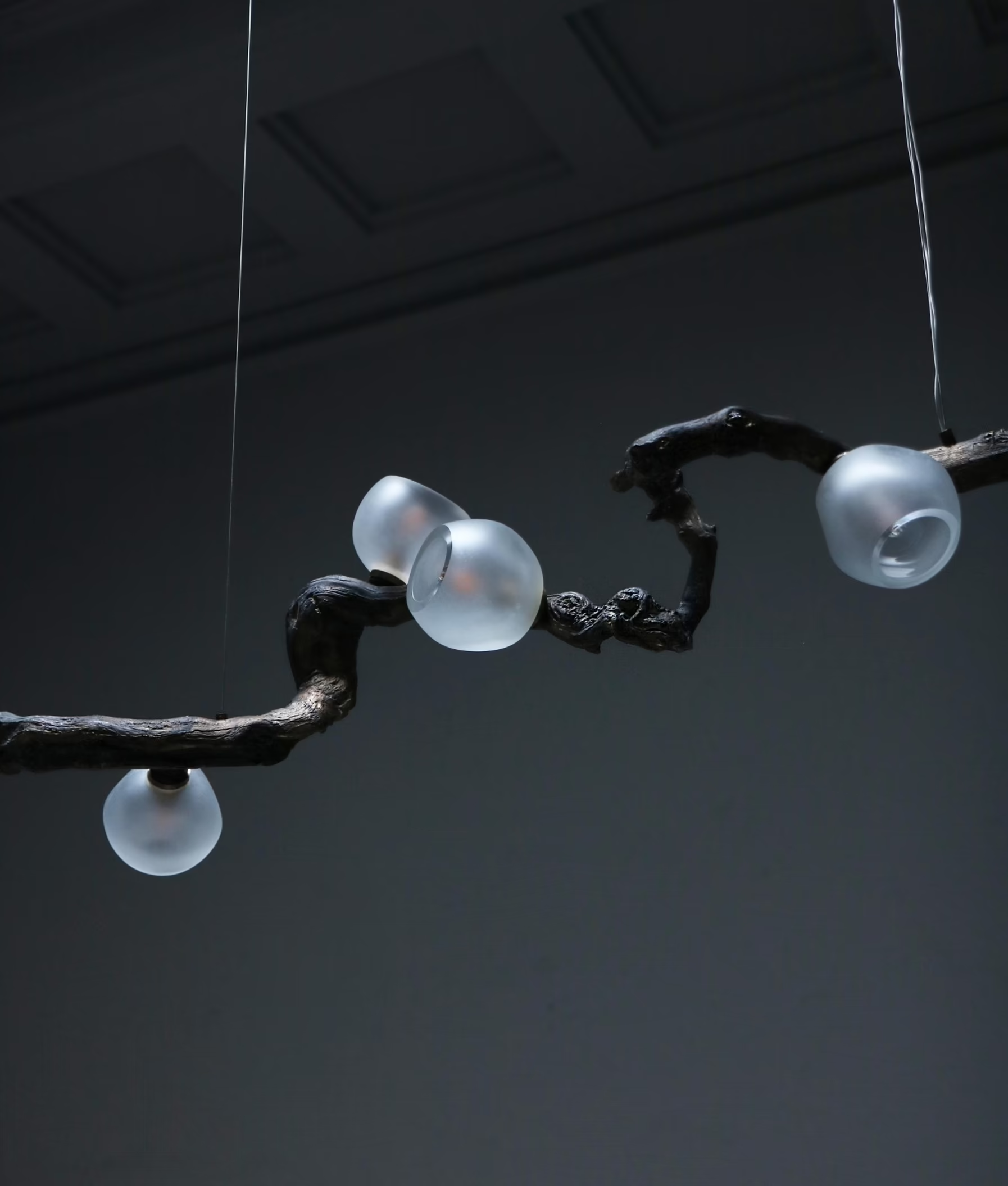
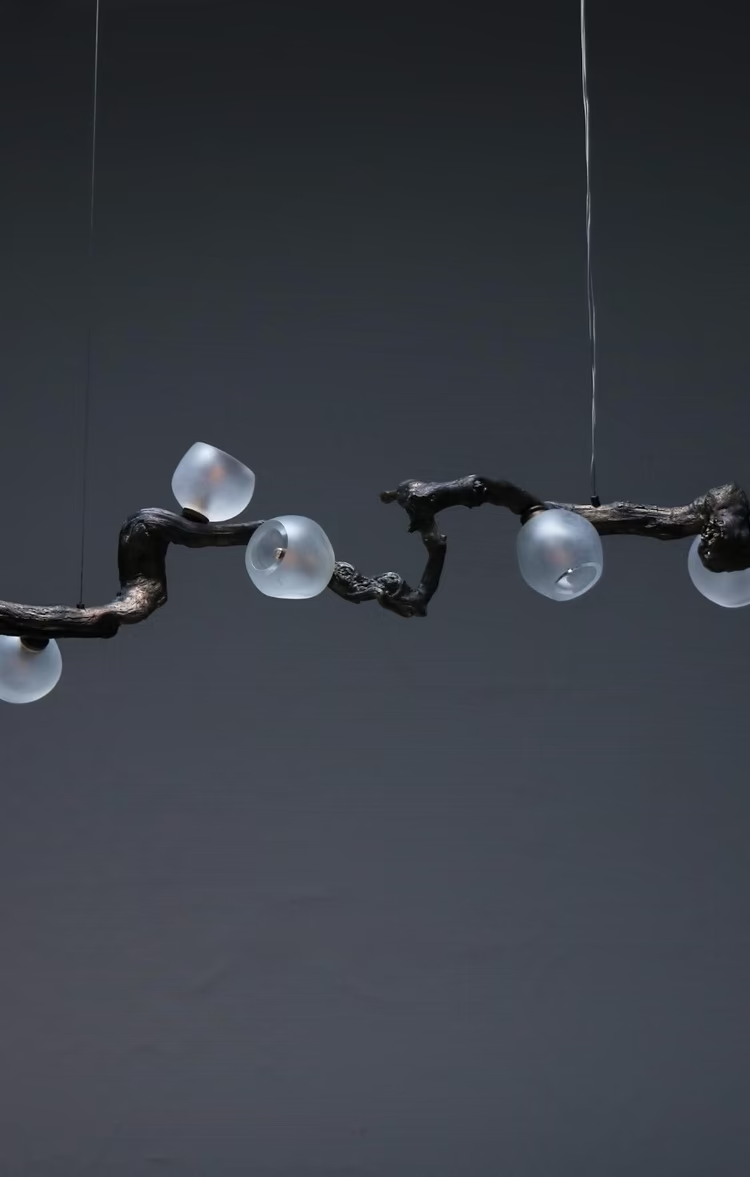
Each Forms In Nature piece is developed from a vision. Materials, light, and technical systems are built around that vision. The visual force of the work is never compromised.
01 — From vision to light sculpture
Each light sculpture slowly reveals itself
The vision is refined, discarded, corrected, and revealed until its form becomes clear. Materials, light, wiring, and technical systems are developed around that vision.
The visual force of the work is never compromised. The result is a light sculpture where reality has been shaped around the image.
02 — Casting in Riópar
Where casting, fire, and landscape still feel inseparable
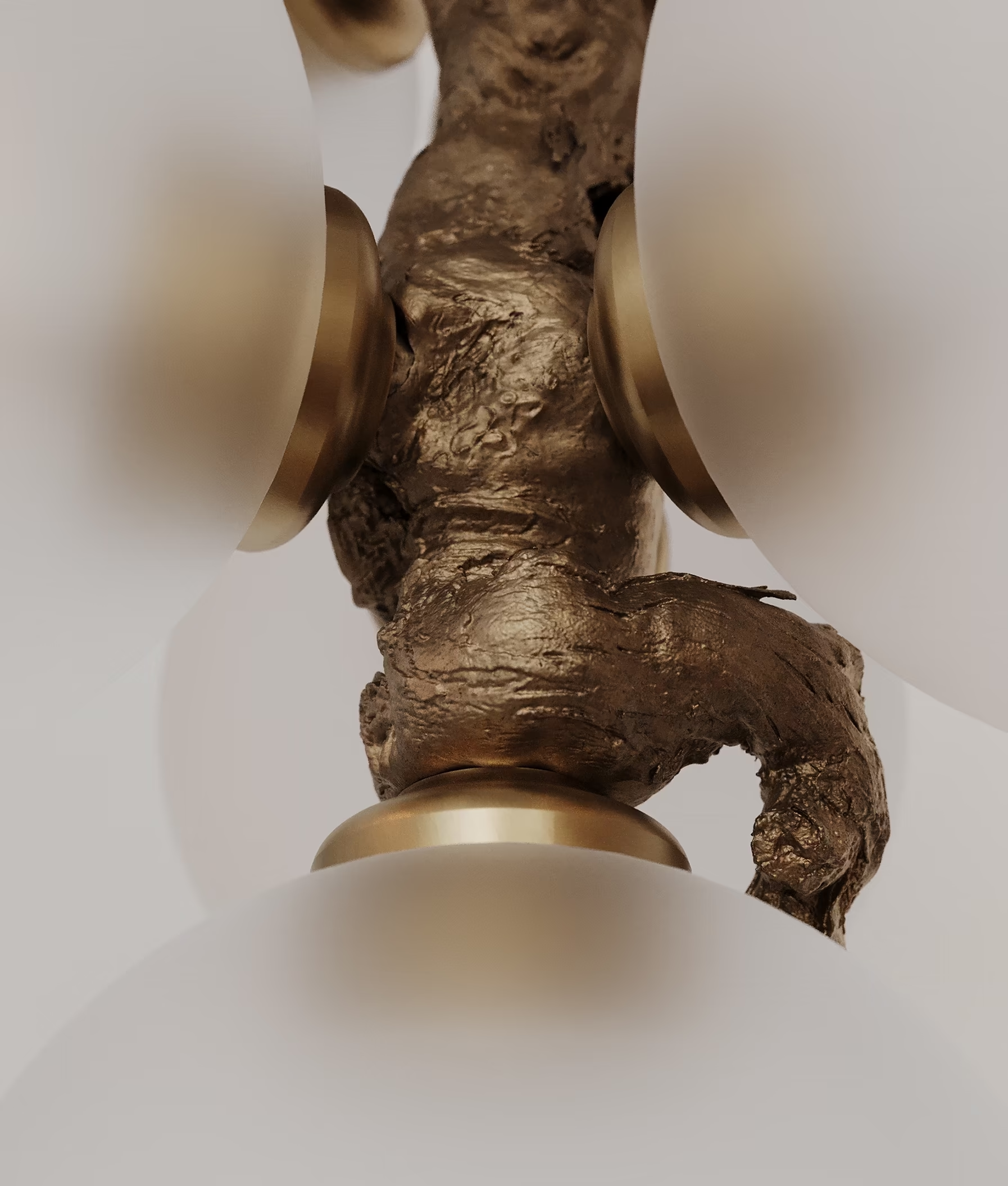
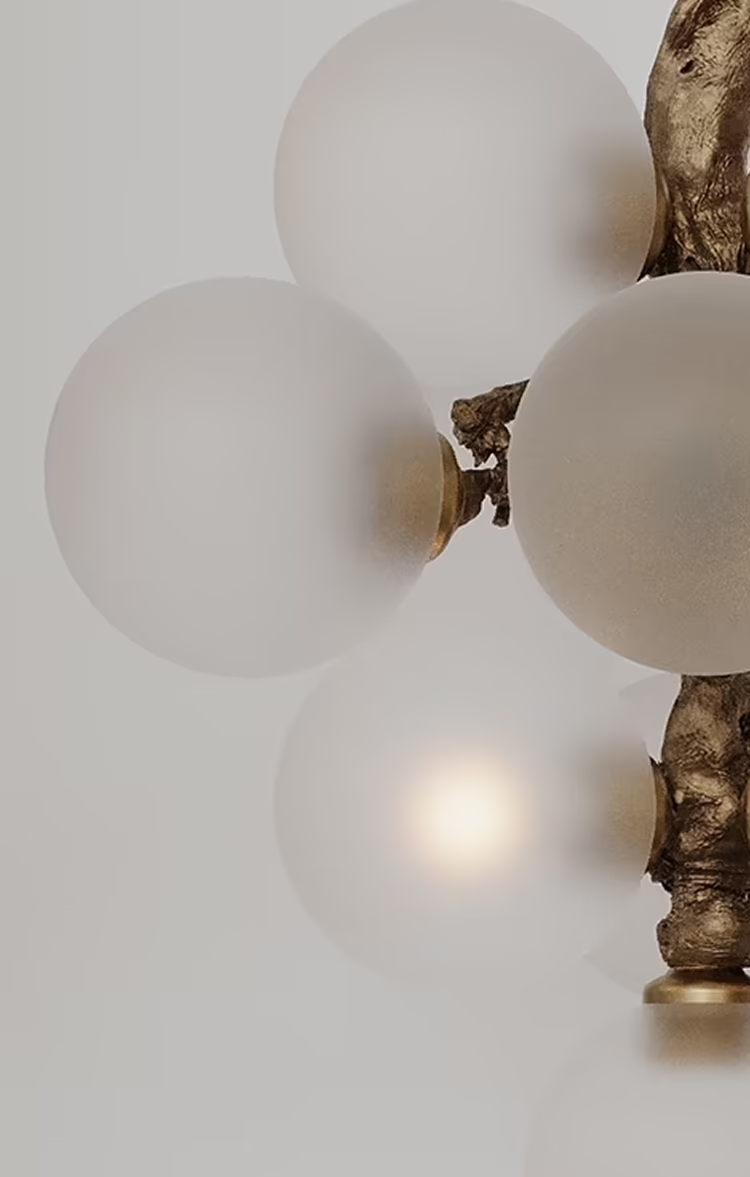
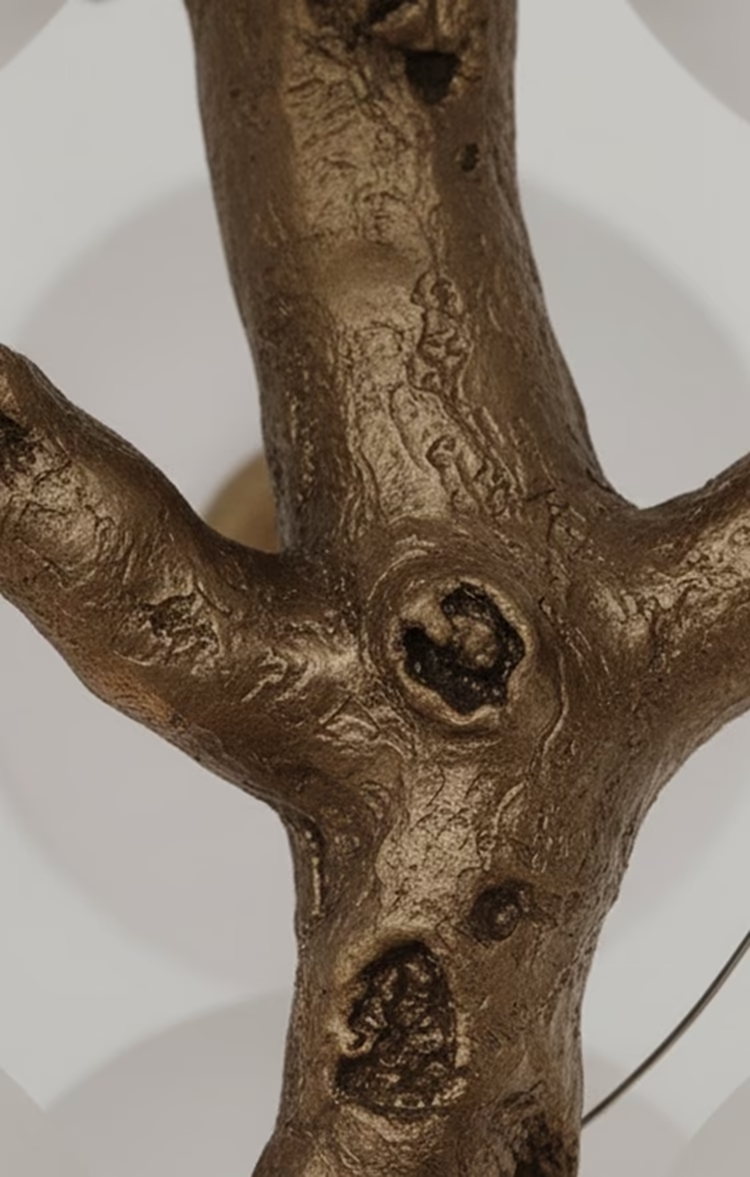
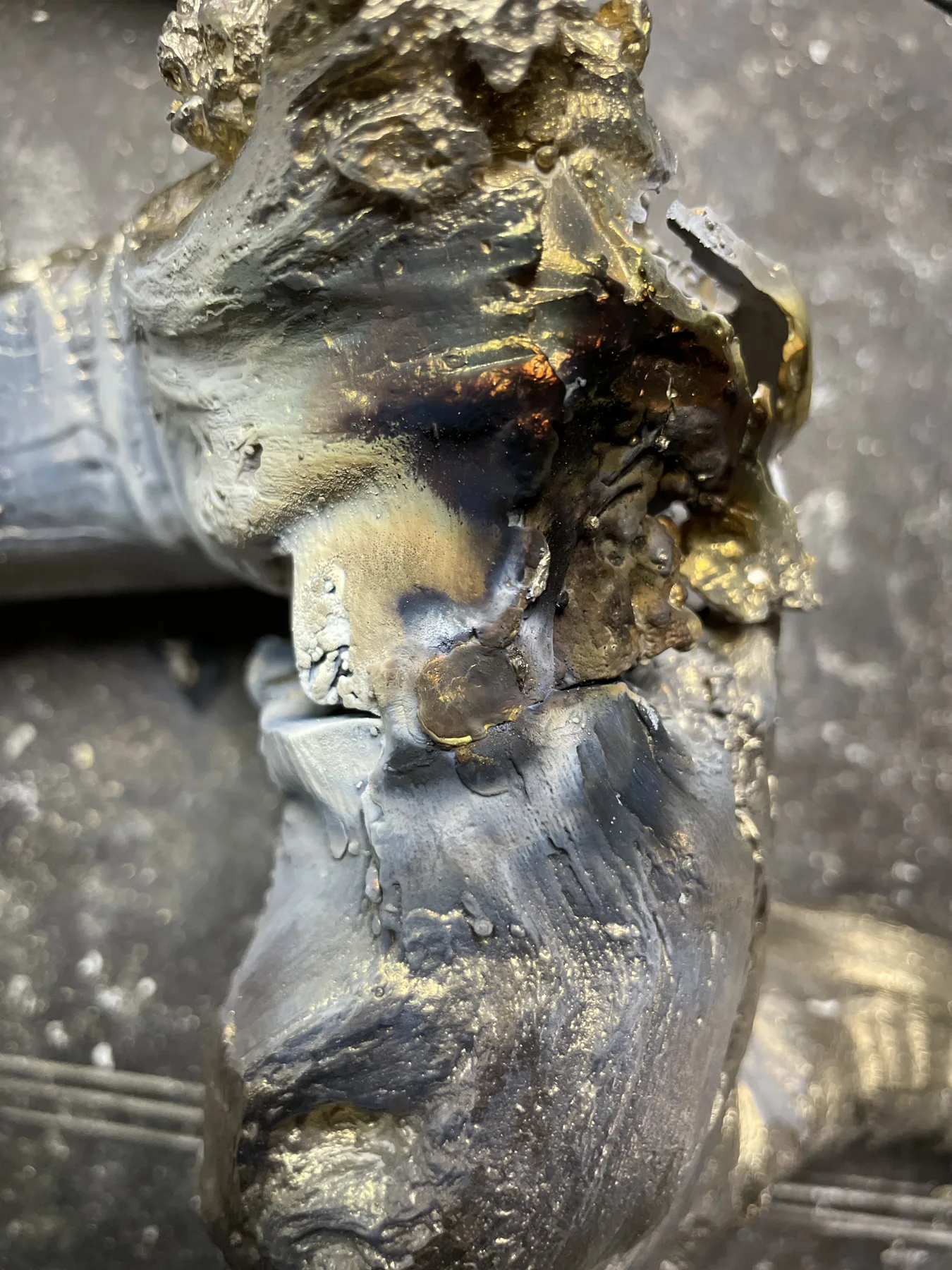
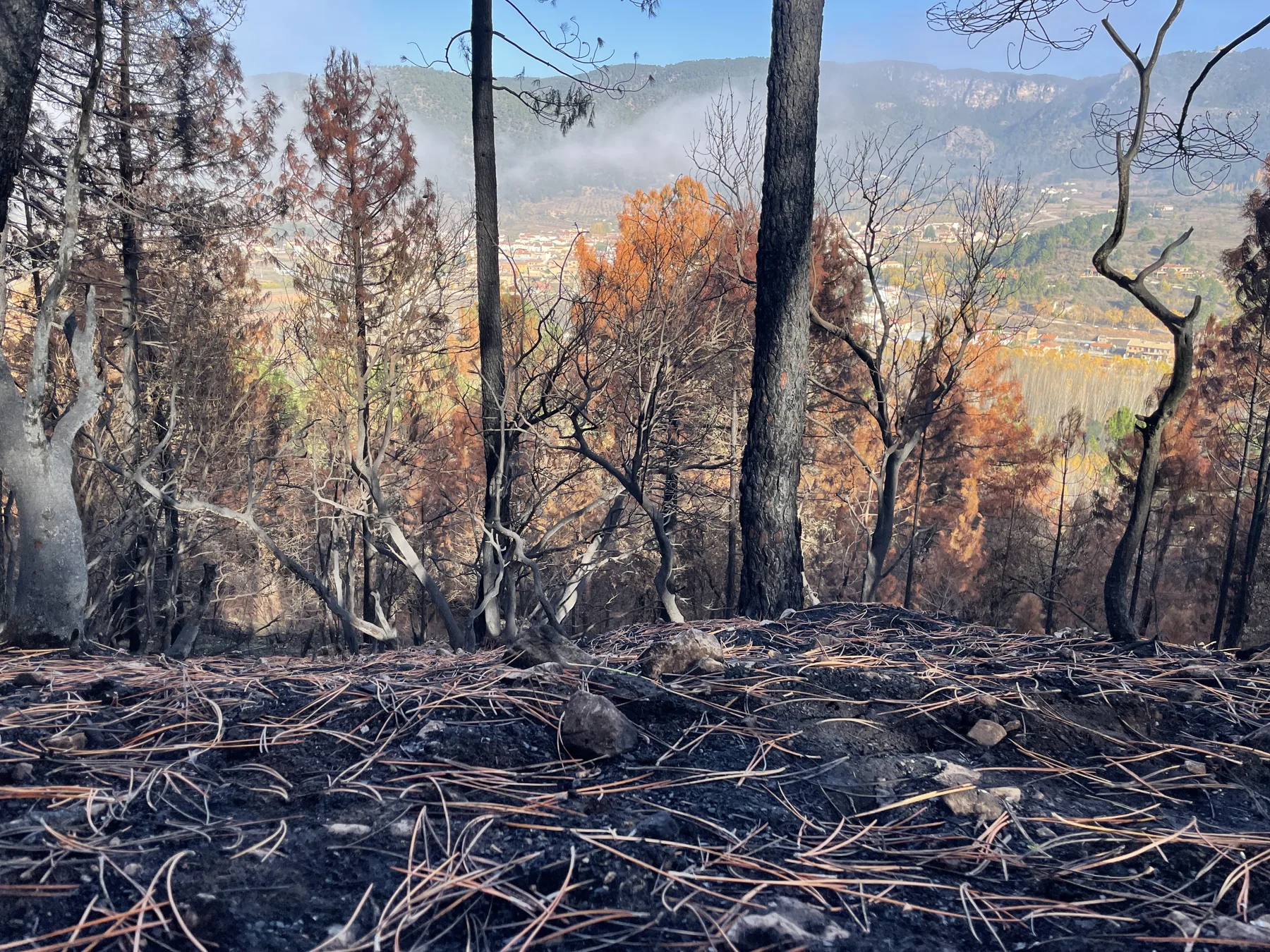
The metal work is produced in Riópar, a remote mountain village in southern Spain where casting, fire, and landscape still feel inseparable. Riópar has carried a metalworking tradition since the 18th century, when the Royal Factories of San Juan de Alcaraz became one of Spain’s historic centers for brass and bronze production.
The village stands inside a forceful natural environment: caves, mountains, burned forests, heavy storms, winter snow, dry summers, and an intense return of life after destruction. This is not a decorative idea of nature. It is nature as pressure, danger, resistance, and renewal.
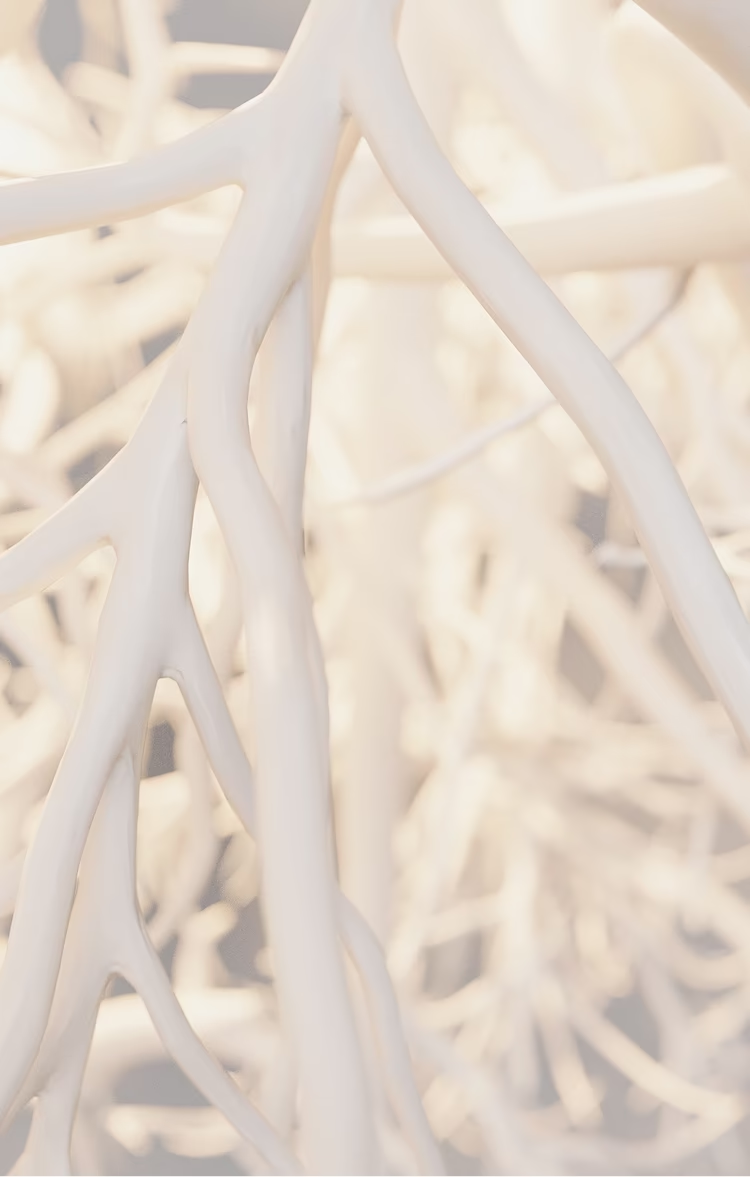
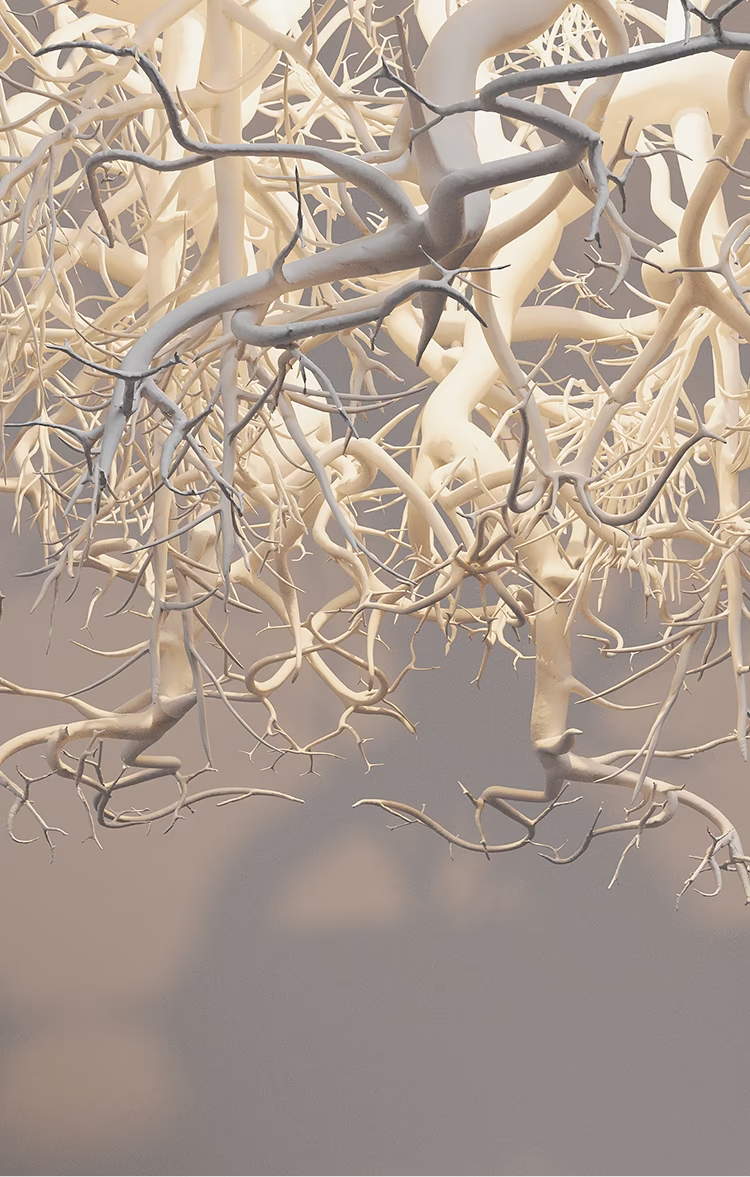
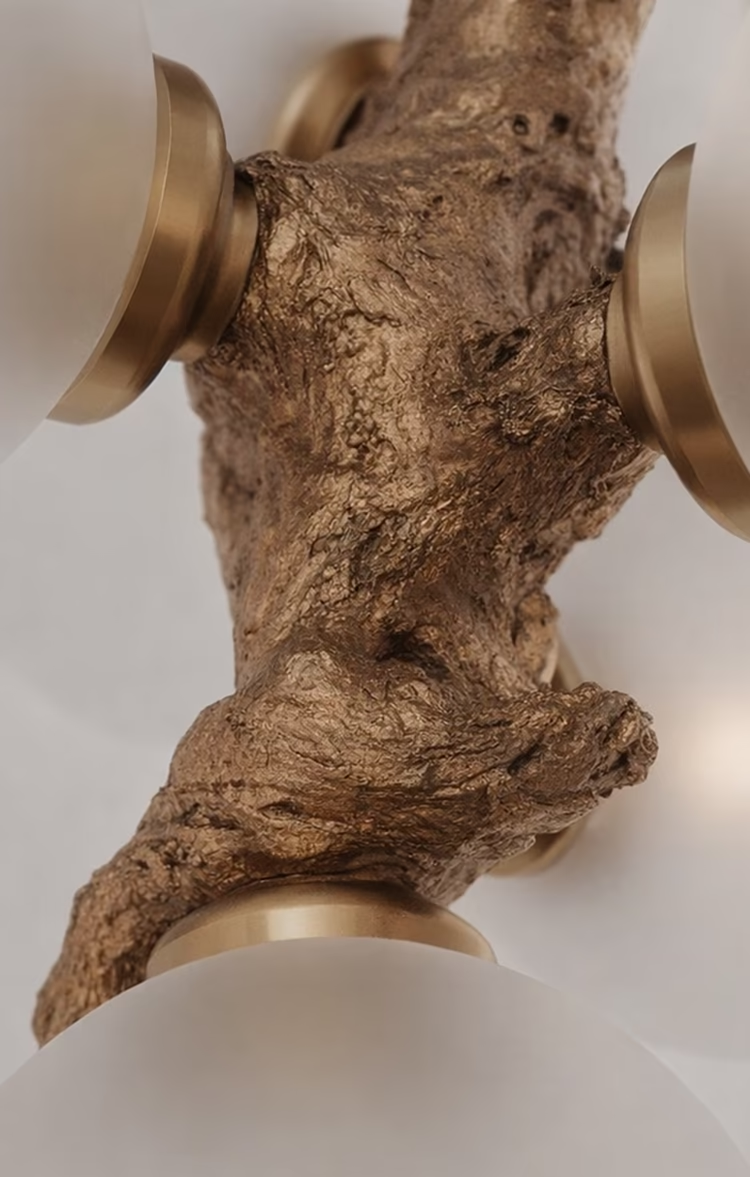
In that context, each organic form is transformed through casting. The original is lost. The gesture survives in bronze or brass.
Materials: Bronze · Brass · Tradition since 18th century
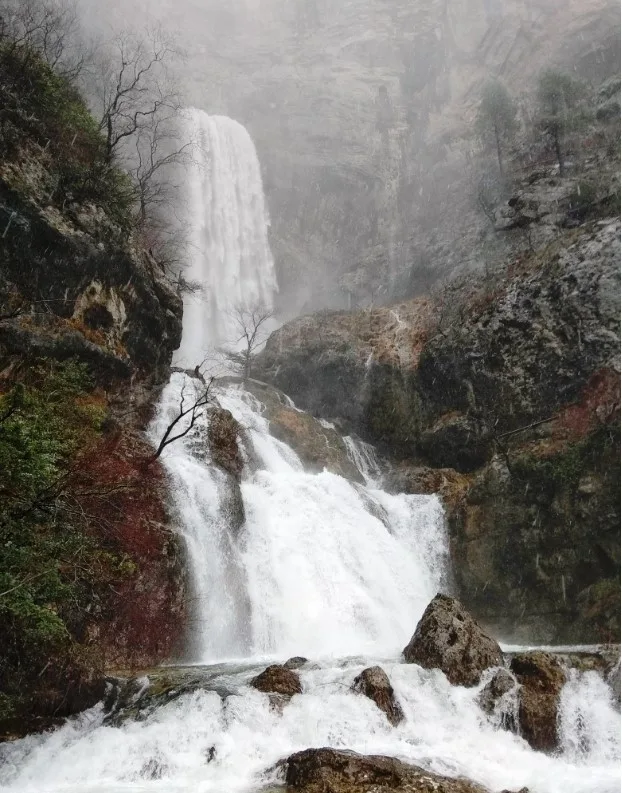
Riópar — Sierra de Alcaraz, Spain
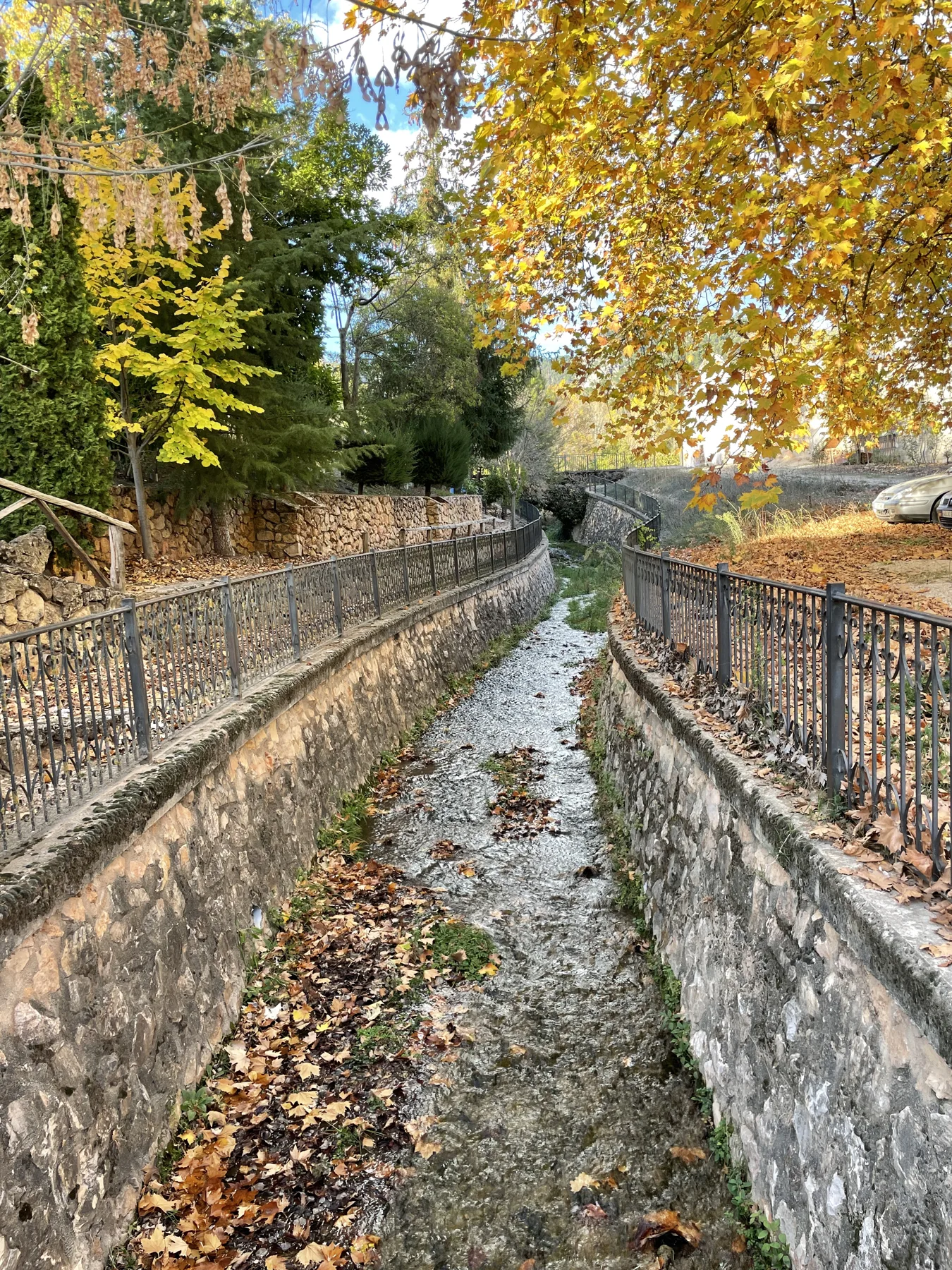
Riópar — the village
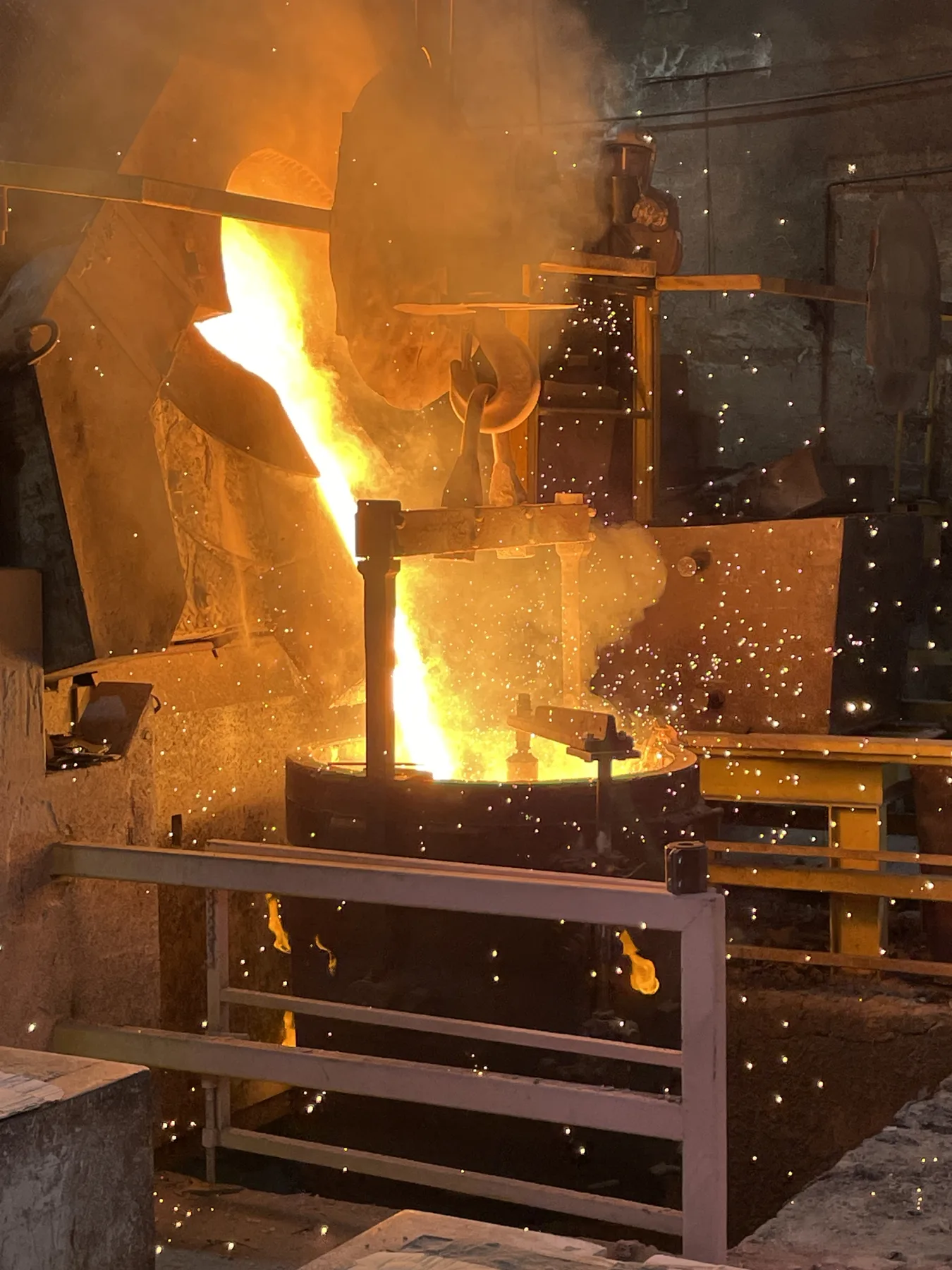
Casting — molten metal, foundry
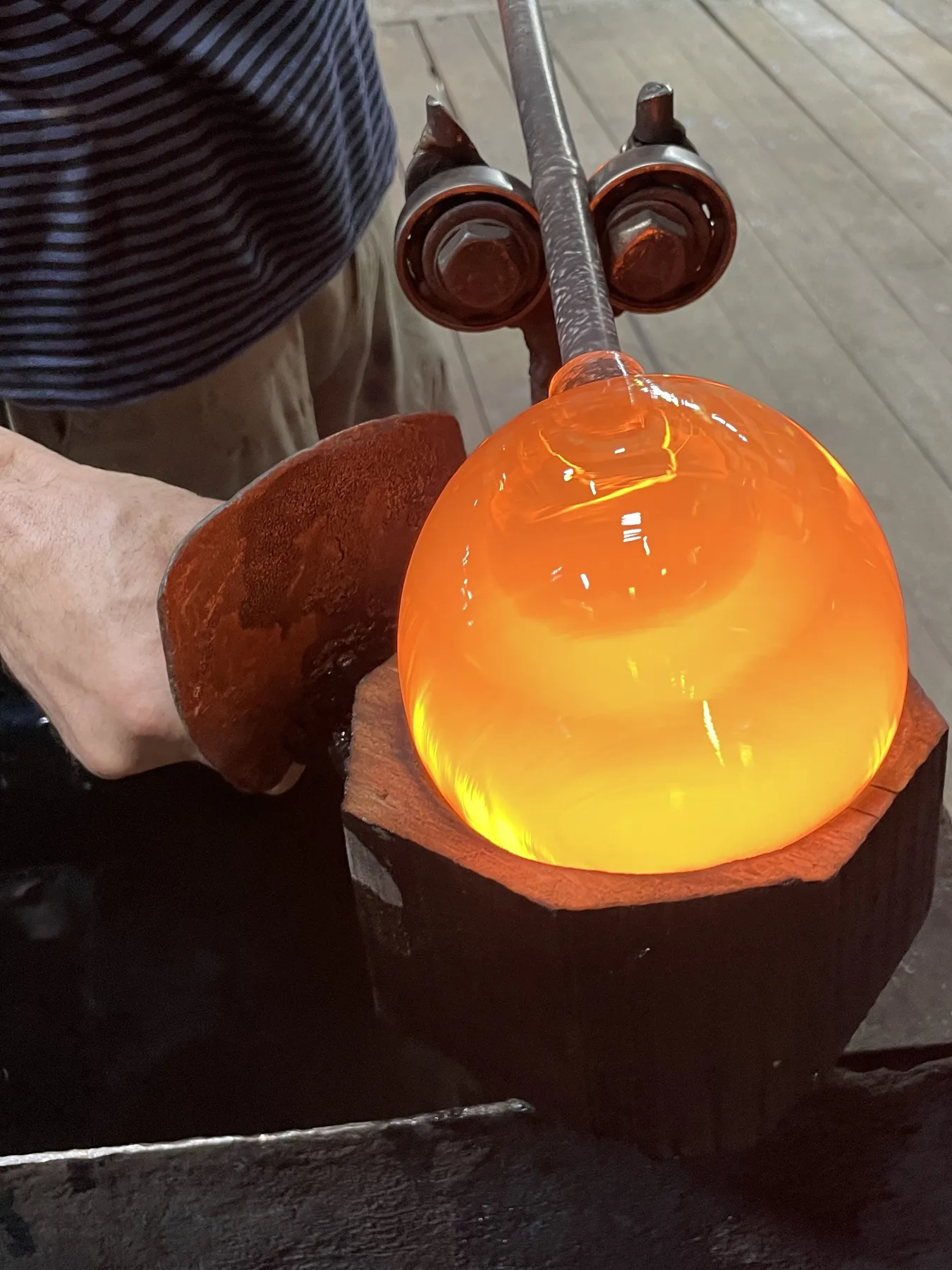
03 — Mouth-blown glass
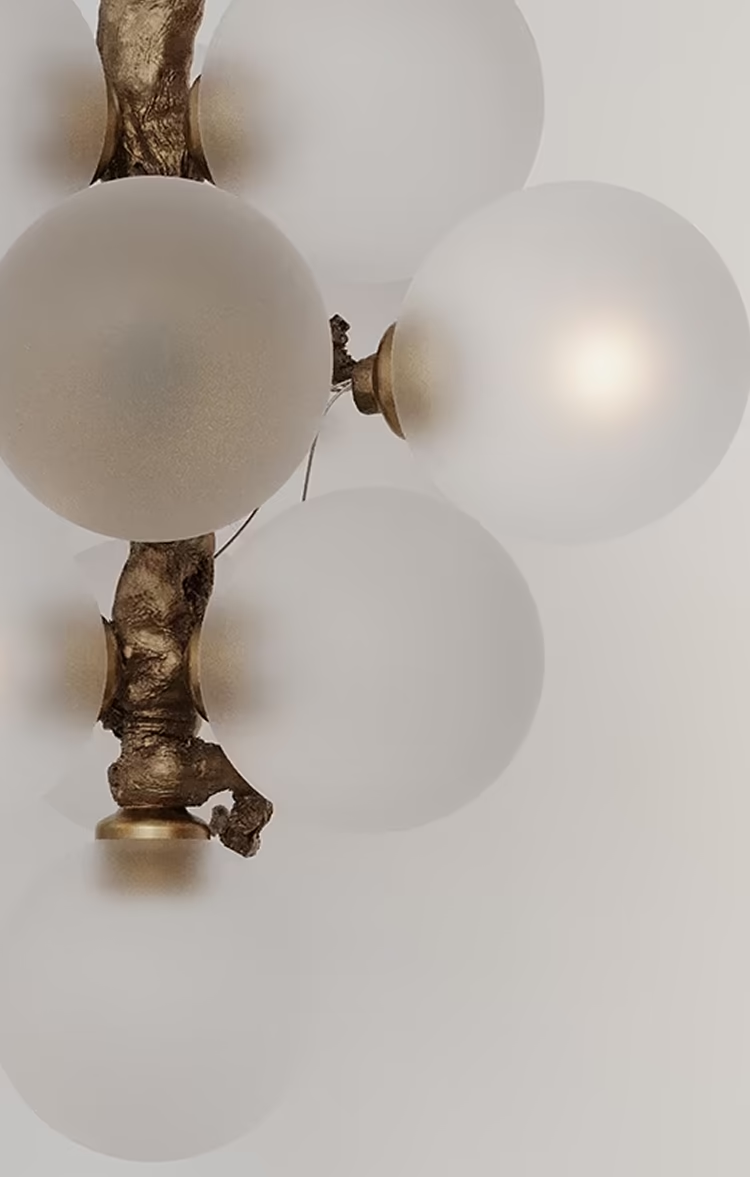
Each glass element is carefully designed as both a screen and a lens for light
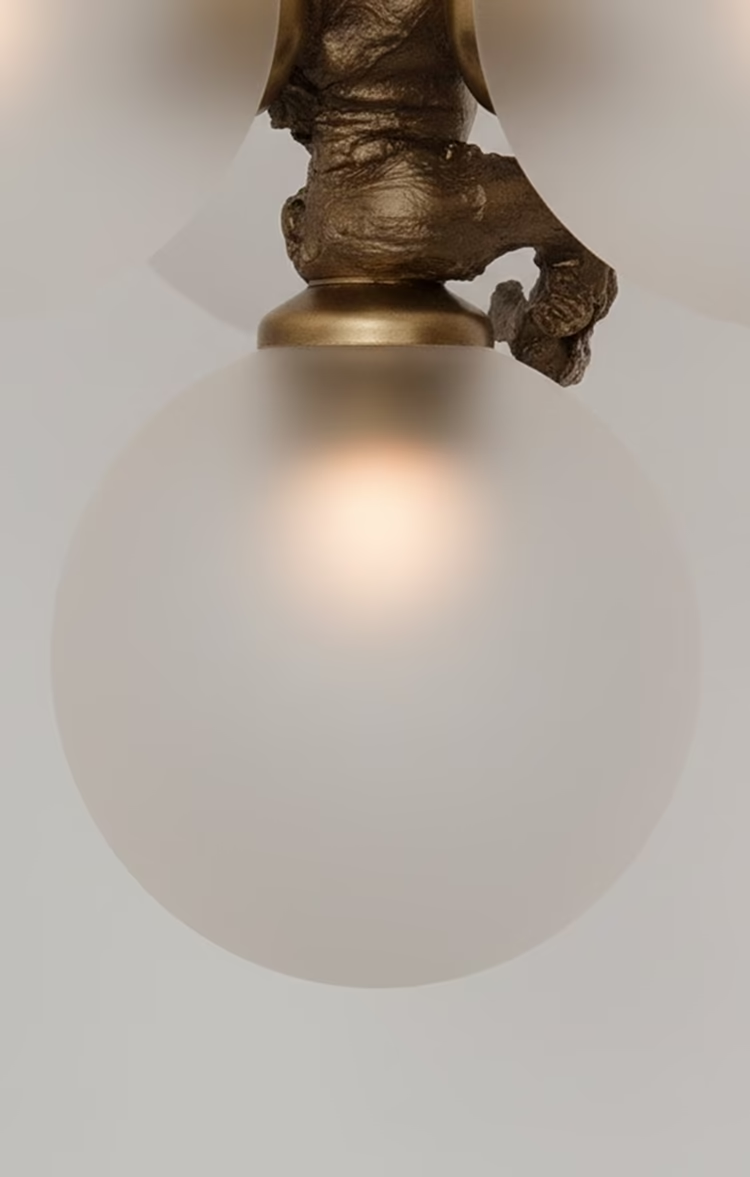
Its thickness, weight, surface, curves, and small variations determine how the light is softened, distributed, and carried through the material. The studio works with a small number of controlled glass forms, each one mouth-blown and individually shaped by hand in a remote glass workshop near Istanbul.
Pío Díaz personally follows the glass production process, from heat control and resting time to blowing, molding, cutting, polishing, blasting, waxing, correction, and final light reflection tests.
The glasses are made from the same base form, but each one is slightly pushed, shaped, and corrected so no two pieces are exactly the same.
No two pieces identical · Followed personally by Pío Díaz
“I invest my interest and dedication digging out past forgotten memory hidden in the layers of our mental adaptations.”
Pío Díaz — artist and founder
Forms In Nature was founded in 2011 in Copenhagen. Every production decision — material, technique, finish — is made by Pío directly. The studio works with a small group of artisans trained over years of close collaboration.
This is not industrial production. Each piece is a consequence of the artist’s hand, eye, and accumulated knowledge.
04 — Invisible precision
Every part belongs to the sculpture
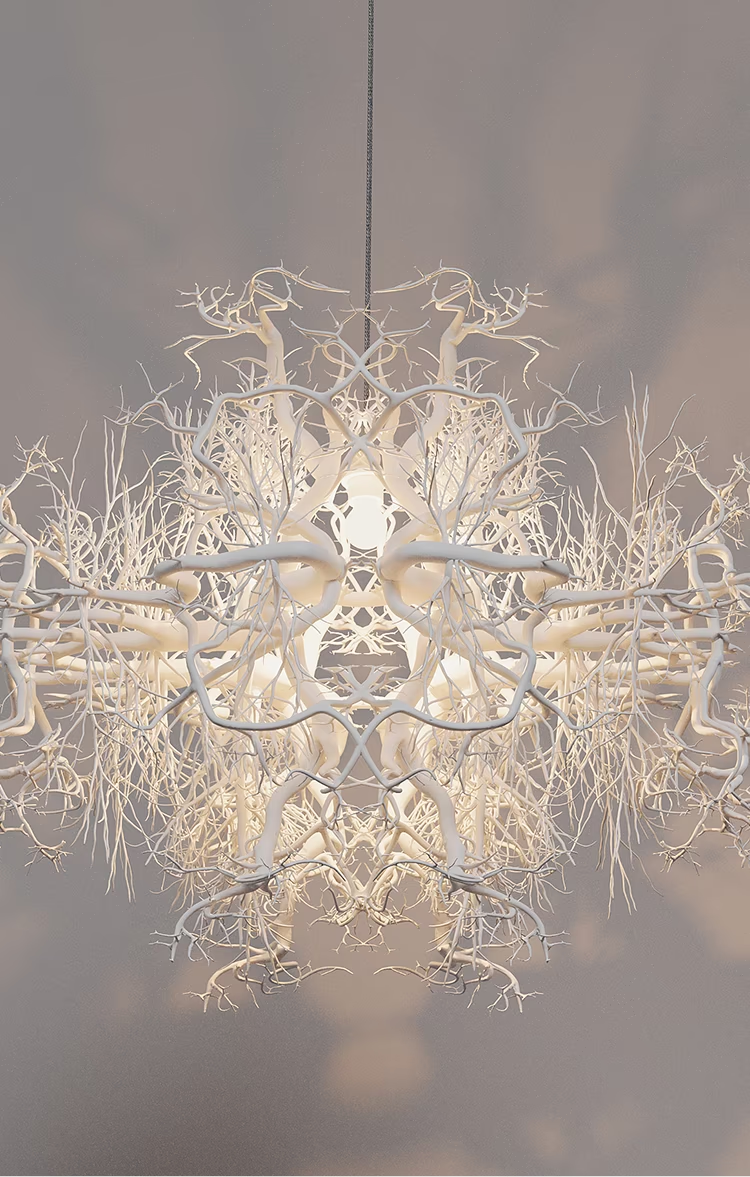
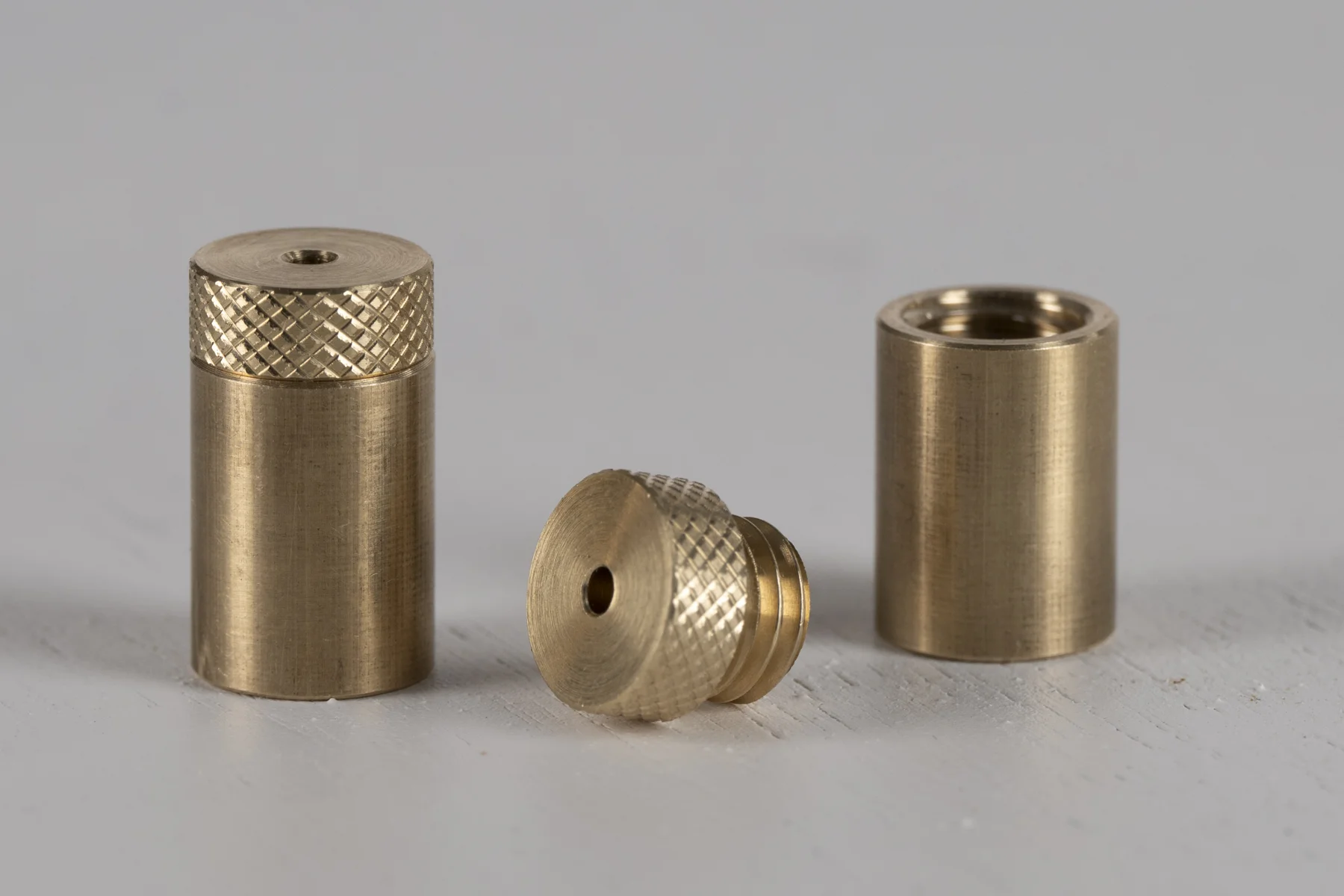
Every part of a Forms In Nature lamp is developed around the work itself. The cables, bulbs, fittings, closures, suspension systems, surface treatments, wiring, and small mechanical details are designed or specified by Pío Díaz so they belong to the sculpture rather than appear as standard components added afterwards.
The suspension system is developed as part of the work: it has to hold, align, and support the piece while remaining visually calm and integrated.
No technical solution should compete with the sculpture. Nothing should feel too visible, too heavy, or too ordinary. Each solution is carefully crafted and refined until it disappears into the visual logic of the piece.
05 — Light quality
Warm, present, calm, and distributed
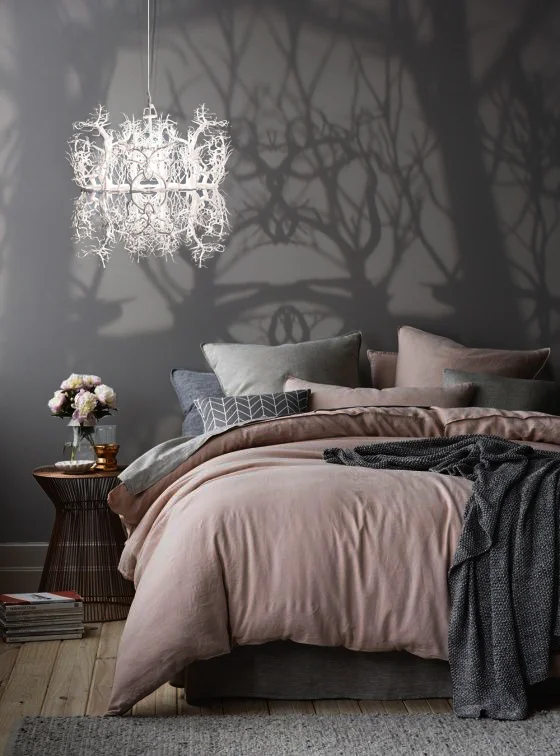
Pío Díaz embraces rooms where the light is on. A very dark room asks the body to work harder. An overlit room creates the opposite problem: the light becomes too demanding, too active, too present.
Pío’s light theory is built around the space between those two conditions. The intention is to create a balanced form of illumination — warm, present, calm, and distributed.
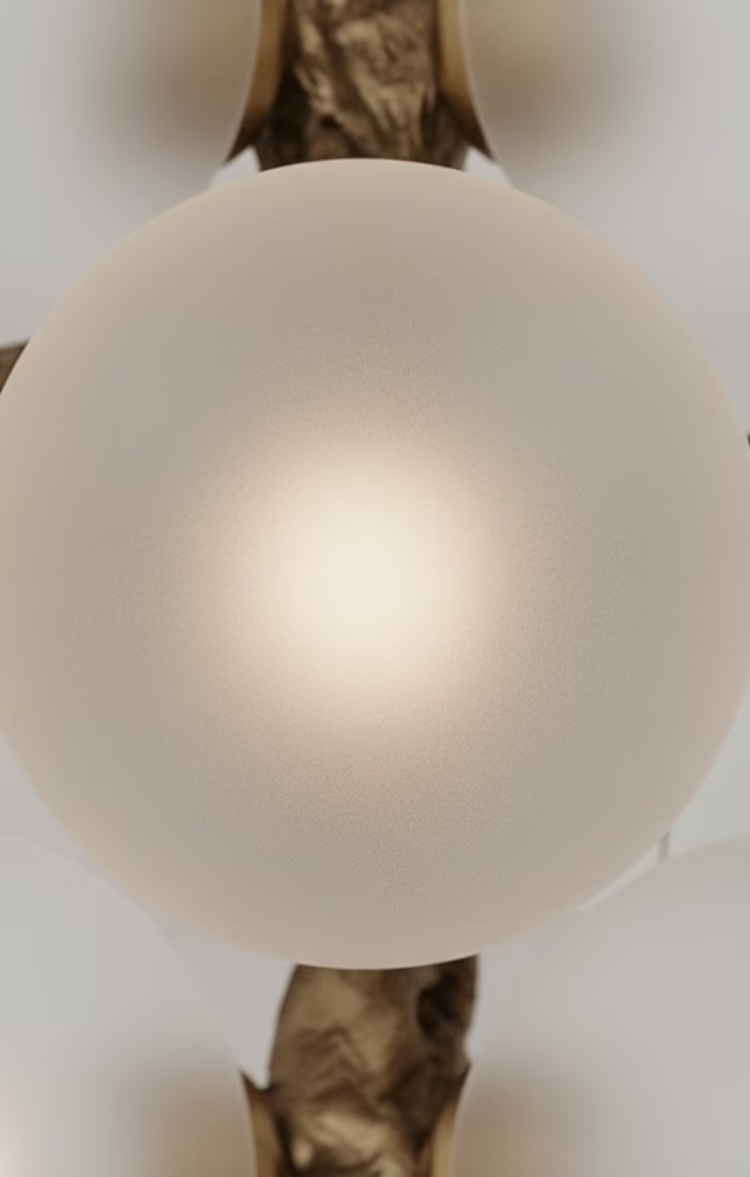
The focus is on warm light, accurate color rendering, deep dimming, and stable light without visible flicker. The glass protects the eye from direct brightness and distributes the light softly through the room.
06 — Fine balance
Each piece is tested before it leaves the studio
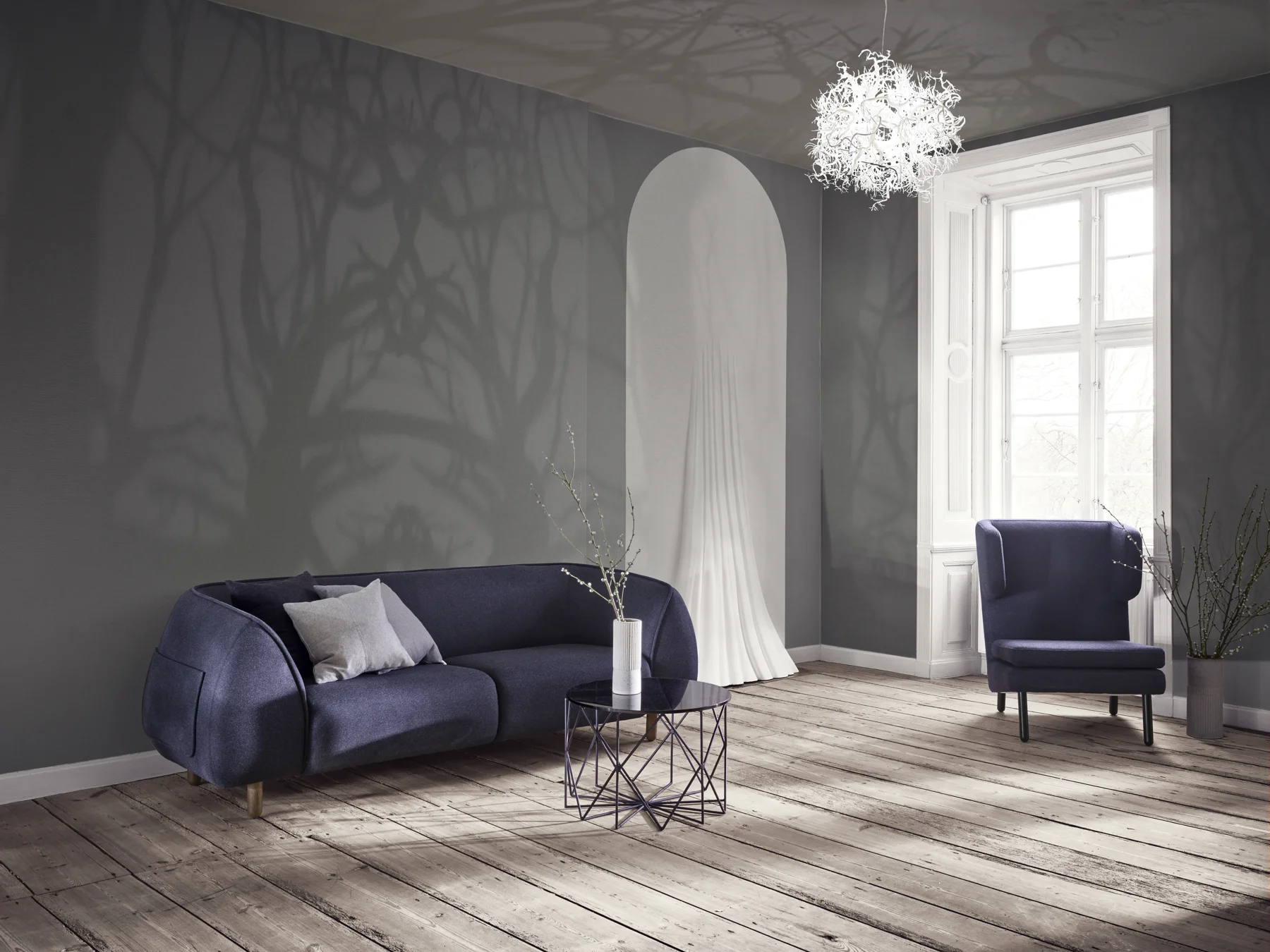
The final calibration is personally made by Pío Díaz, adjusting light, glass, metal, surface, fittings, cables, suspension, shadow, warmth, and presence until the work reaches its balance.
This balance is both technical and emotional. The piece has to function with precision, but it also has to feel natural in the room.
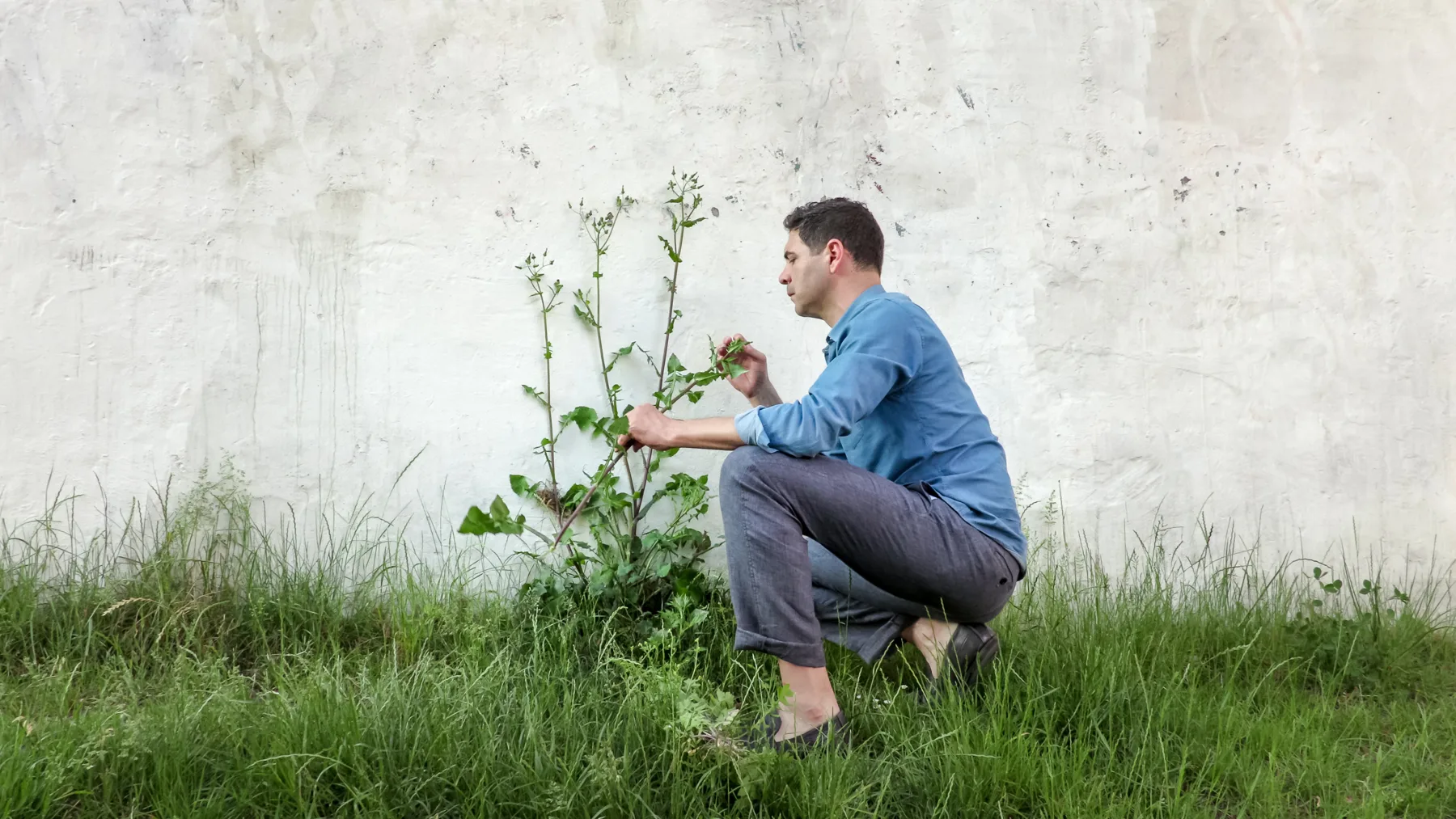
The same gesture, different scale
In Weeds, Pío collected plants from the margins of Copenhagen and preserved them in glass cases — unwanted forms given permanence. In the collection, he does the same with branches and vines: finds what nature left, and fixes it in metal. The object and the artwork come from the same place.